
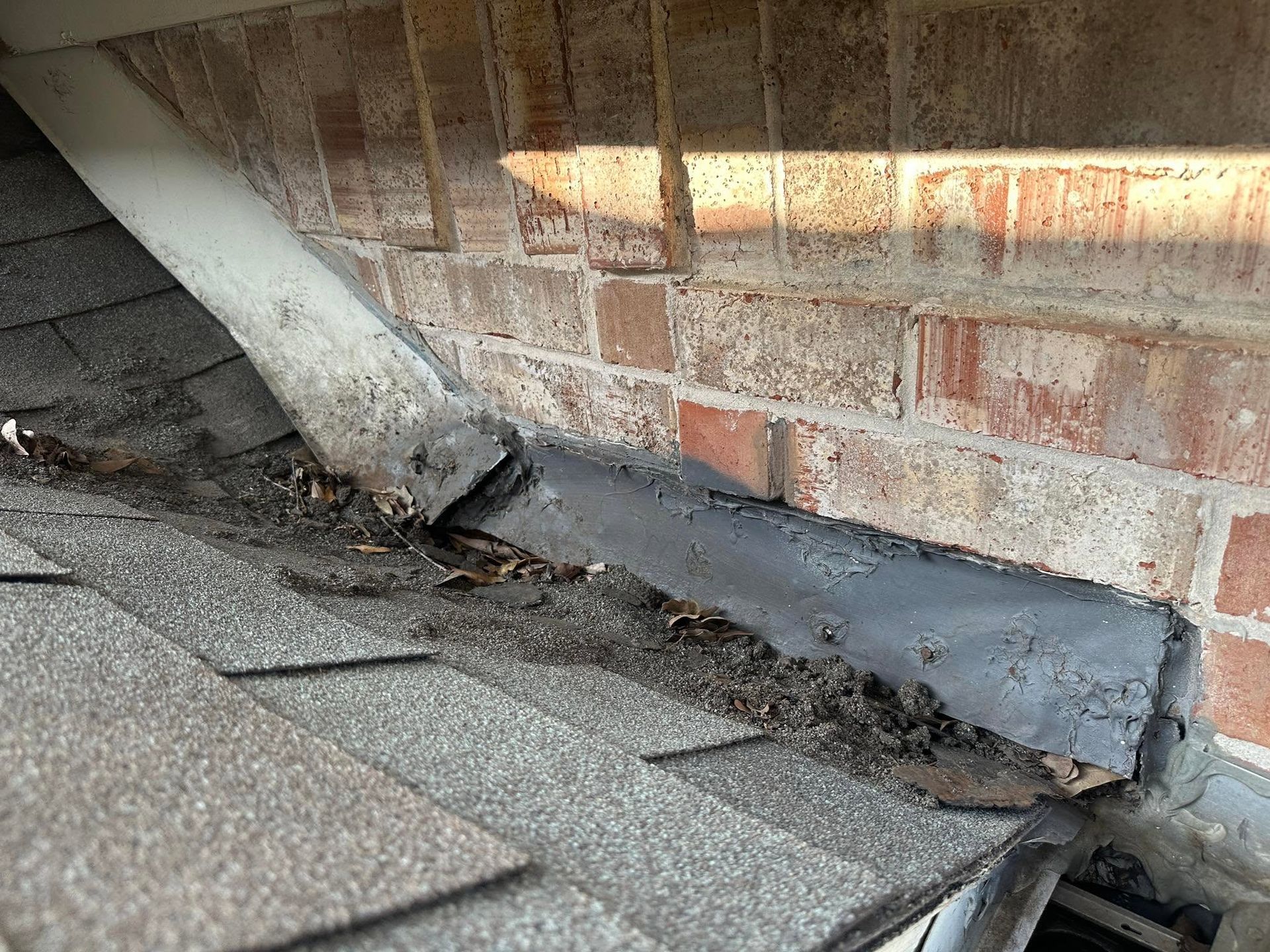
Damage You Can See From the Ground
Roof Repairs in Garland for shingles cracked by hail, wind, and age-related wear
Garland's spring hail and high-wind events routinely crack shingles, pop flashing, and expose decking—especially in Duck Creek and Spring Creek neighborhoods where storm cells concentrate each season. L&R Medina's Roofing handles storm, hail, and age-related damage to asphalt shingle roofs across the Garland area, diagnosing whether hail impact is cosmetic or structural before any patching begins. The owner personally assesses damage from the roof surface, not from the driveway, including steep-pitch roofs that other crews and sales-only roofers avoid.
Repair work starts with identifying the underlying cause—whether shingles failed from direct hail impact, thermal cycling that loosened adhesive strips, or wind uplift that tore nails through weakened material. Many crews skip the step of distinguishing between surface bruising and actual penetration damage, which determines whether a patch holds or fails within a season. The assessment includes checking flashing around chimneys and vents, inspecting exposed decking for moisture intrusion, and determining whether surrounding shingles remain structurally sound enough to support a localized fix.
Request a free estimate to have the damage assessed from the roof itself, not from a photo or a clipboard.
What Proper Repair Actually Fixes
Correct repair involves removing damaged shingles down to the decking, confirming the underlying structure is dry and intact, then integrating new material so it sheds water in the same direction as the original install. If decking shows soft spots or staining, those sections are replaced before new shingles go down—patching over compromised wood just delays the leak. Flashing gets resealed or replaced depending on whether the metal itself is bent or only the sealant has degraded.
After the work is complete, you'll notice that water no longer pools in valleys, ceiling stains stop spreading, and shingles lie flat without lifted edges that catch wind. The repaired section matches the surrounding roof plane and doesn't create a visible hump or depression that signals future trouble. Properly matched shingles blend with the existing color and granule pattern, so the fix doesn't stand out as a patch job from the street.
L&R Medina's Roofing brings more than twenty years of family roofing background to every repair, with the owner participating directly in diagnosing and fixing the damage rather than delegating to a crew unfamiliar with the property. The company is fully insured, and the owner's hands-on field experience means he knows what hail damage looks like at every layer of the roof system—not just what a script says to look for.
What Homeowners Ask Before Scheduling Repairs
Garland properties face repeat hail cycles and UV exposure that accelerate shingle aging, so repair questions often focus on whether a fix will hold through the next storm season or whether replacement makes more sense.
What's the difference between cosmetic hail damage and structural damage that needs repair?
Cosmetic damage shows as dark spots where granules are knocked off but the asphalt mat remains intact—structural damage includes cracks, tears, or punctures that expose the underlayment or decking, allowing water to penetrate.
How do you know if the decking underneath is damaged without tearing off all the shingles?
The owner inspects from both the roof surface and the attic interior when a leak is present, looking for soft spots, sagging, or water staining that indicates the plywood or OSB has absorbed moisture and lost structural integrity.
Will patched shingles match the rest of the roof or stand out as a visible repair?
New shingles are selected to match the existing manufacturer, color, and granule pattern as closely as possible, and they're installed following the same exposure lines so the repair blends with the surrounding field.
Do you work on steep-pitch roofs that other contractors won't climb?
The owner personally handles steep-pitch properties that sales-only roofers and some crews decline, using proper fall protection and ladder techniques to assess and repair roofs other companies pass on.
How long does a typical storm-damage repair take from estimate to completion?
Most localized repairs in Garland are completed within one to two days after materials are sourced, depending on the extent of decking work and weather conditions that allow safe installation.
L&R Medina's Roofing provides honest assessments without upselling—if a patch will hold, that's what gets recommended, and if replacement is the better long-term option, the owner explains why. Schedule a free estimate with a roofing specialist who shows up, gets on the roof, and gives you a straight answer based on what's actually there.